


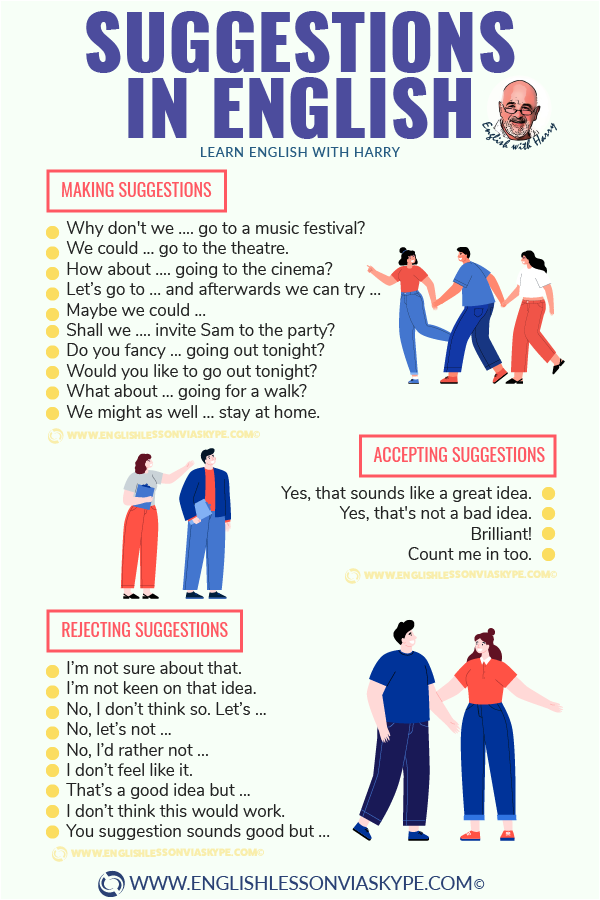
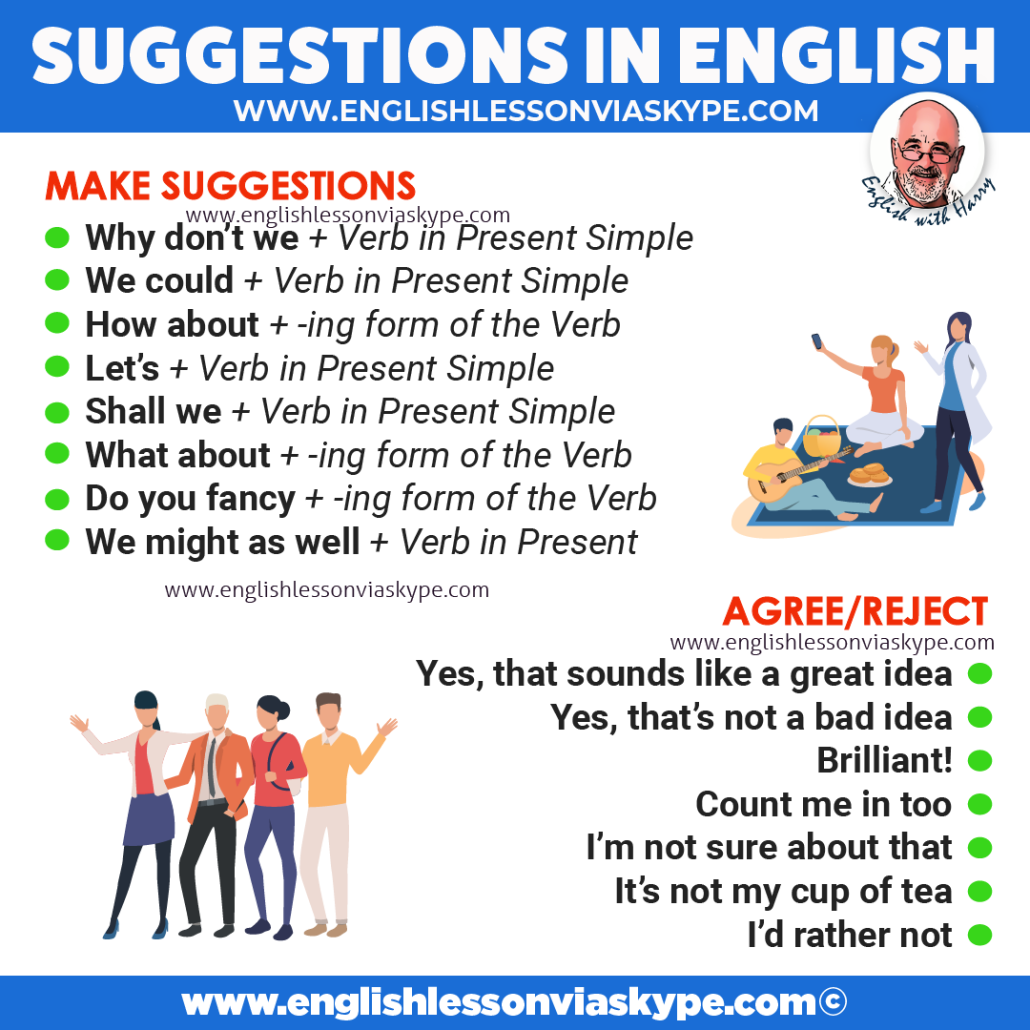

Making suggestions in English sounds easy until you have to do it in a meeting.
You may have a good idea, but you don't want to sound too direct. You may want to suggest a change, but you don't want people to think you're criticising their work. Or perhaps you're speaking to your manager, and you need a phrase that sounds polite, clear, and professional.
That's what we're going to look at in this lesson.
I'll show you natural phrases for making suggestions in English at work, with examples you can use in meetings, emails, calls, and everyday workplace conversations.
The key isn't to use complicated English. The key is to choose a phrase that matches the situation.
The problem with "I suggest"
Many English learners use this structure:
"I suggest that we change the deadline."
It's correct English. But in everyday workplace English, it can sometimes sound a little formal or strong. It depends on the situation.
If you're writing a formal report, "I suggest" may be fine. But in a meeting with colleagues, you'll often sound more natural with:
- We could change the deadline.
- Maybe we could move the deadline.
- It might be worth changing the deadline.
- Would it make sense to move the deadline?
These phrases are softer. They give the other person space to respond. That's often what you need at work.
Watch the lesson
Prefer to learn by listening and watching? Watch the video first, then use the examples below to practise the phrases in real work situations.
Simple ways to make suggestions in English
Let's start with the most useful structures.
- We could move the meeting to Thursday.
- We could send the client a shorter version first.
- We could look at the numbers again before we decide.
- We could ask Maria to join the call.
This is one of the safest phrases for work. It's simple, polite, and natural. It doesn't sound weak — it sounds collaborative.
- Maybe we could start with the most urgent points.
- Maybe we could give the team one more day.
- Maybe we could test it with a smaller group first.
- Maybe we could come back to this after lunch.
Useful in meetings, because it helps you put an idea into the discussion without sounding too forceful.
- How about starting with the client feedback?
- How about sending a short update today?
- How about checking with finance before we confirm?
- How about moving this to next week?
Remember: after "How about", use the -ing form. Not "How about to send an email?" — say "How about sending an email?"
- What about the budget?
- What about the people who are on holiday next week?
- What about asking the customer service team first?
- What about the training team? Should they be involved?
It can mean: have we thought about this? Should we include this? Is this also important?
- Why don't we take a short break and come back to this?
- Why don't we ask the client what they prefer?
- Why don't we prepare two options?
- Why don't we review the figures before Friday?
If you're not sure which phrase to use, start with: We could… It's simple, safe, and natural in most workplace situations.
"We could check the numbers again." "We could ask the client for more detail." "We could move this to next week."
You don't always need a complicated phrase. In a real meeting, simple English often works best.
- It might be worth checking the figures again.
- It might be worth asking legal before we send it.
- It might be worth giving the client a quick call.
- It might be worth testing this before we launch it.
Useful when there's a risk or something important to check. Instead of "You must do this", you're saying "This may be a good idea."
- Would it make sense to move this to Monday?
- Would it make sense to speak to the sales team first?
- Would it make sense to prepare a shorter version for the client?
- Would it make sense to split this into two meetings?
You're not pushing the idea — you're asking if it's practical.
- I wonder if we should check this with the manager first.
- I wonder if we should wait until we have the final numbers.
- I wonder if we should give the team more time.
- I wonder if we should come back to this next week.
- One option would be to send a short update today.
- One option would be to delay the launch by a week.
- One option would be to ask the client for more detail.
- One option would be to start with the smaller markets first.
It helps you sound calm and organised, and shows your idea isn't the only answer.
- Can I make a suggestion?
- Can I suggest something?
- Could I make a quick suggestion?
- Can I suggest a slightly different approach?
Useful when people are already talking and you want to add your idea without interrupting too strongly.
Quick check: strong, neutral, or soft?
Here is the same idea in three different tones.
We should check this again before we send it.
We could check this again before we send it.
It might be worth checking this again before we send it.
All three are correct. The best choice depends on the situation. If there's a serious mistake, use the stronger version. If you're making a normal suggestion, use the neutral version. If you're speaking to a senior person or you're not sure, use the softer version.

Not sure which phrase sounds right in a meeting?
Making a suggestion is only one part of meeting English. You also need to know how to interrupt politely, ask for clarification, disagree carefully, and speak when you need a moment to think.
Take the free quiz →Free · A few minutes · See where your meeting English is already strong
Suggestions in meetings
Here are some common meeting situations.
When you want to suggest a next step
- We could send a quick update after the meeting.
- Maybe we could agree on the next step before we finish.
- Would it make sense to confirm who is doing what?
- One option would be to test this with one client first.
When you want to suggest a change
- We could adjust the timeline slightly.
- It might be worth changing the order of the slides.
- Maybe we could make this section shorter.
- I wonder if we should simplify this before we send it.
When you want to suggest checking something first
- It might be worth checking the numbers again.
- Could we confirm that before we move forward?
- Maybe we should check with finance first.
- Would it make sense to speak to legal before we agree?
When you want to suggest delaying something
- We could move this to next week.
- Maybe we could give the team a bit more time.
- It might be worth waiting until we have the final figures.
- I wonder if we should come back to this once we have more information.
Suggestions by email
In emails, you can use the same phrases, but make the sentence a little clearer.
- Would it make sense to move the meeting to Thursday?
- It might be worth checking the figures again before we send the report.
- One option would be to send the client a shorter update today and follow up with the full version next week.
- I wonder if we should wait until we have the final numbers before making a decision.
These are polite, but not weak. They're also much better than translating directly from your own language.
What not to say at work
Some phrases are correct, but they may not work well in professional situations.
"You must change the deadline."
"We may need to change the deadline." or "It might be worth changing the deadline."
"I propose you check the figures."
"It might be worth checking the figures." or "Could we check the figures before we send it?"
"Why you don't ask the client?"
"Why don't we ask the client?" or "Why don't you ask the client?"
"I suggest you to speak to your manager."
"I suggest speaking to your manager." Or, more naturally at work: "It might be worth speaking to your manager."
How to accept a suggestion
If someone makes a good suggestion, you can say:
- That sounds good.
- That works for me.
- Yes, that makes sense.
- That could work.
- That's a good idea.
- I think that's worth trying.
A: How about sending the client a shorter update first?
B: Yes, that makes sense.
A: Would it make sense to move the call to Friday?
B: That works for me.
A: It might be worth checking this with finance.
B: Good idea. Let's do that before we confirm.
How to reject a suggestion politely
Sometimes you don't agree with the suggestion. You don't need to say "No, that is a bad idea." Use one of these instead:
- I'm not sure that would work because…
- I see your point, but I'm not sure that's the best option.
- That could be difficult because…
- I think there may be an issue with that.
- I'd be careful with that approach.
A: Why don't we send the proposal today?
B: I'm not sure that would work because the figures haven't been checked yet.
A: How about asking the whole team to join the call?
B: That could be difficult because the call may become too large.
A: Maybe we could delay this until next month.
B: I see your point, but I'm not sure that's the best option. The client is expecting an update this week.

A short workplace dialogue
Here is a simple meeting dialogue.
Manager: We need to decide how to update the client.
Ana: Could I make a quick suggestion?
Manager: Of course.
Ana: Maybe we could send a short update today and then follow up with the full report on Friday.
Manager: That could work.
Tom: I'm not sure Friday is realistic. The numbers may not be ready.
Ana: That's a fair point. Would it make sense to say early next week instead?
Manager: Yes, that gives us a bit more flexibility.
Notice the language:
- "Could I make a quick suggestion?" helps Ana enter the discussion.
- "Maybe we could…" makes the suggestion sound open.
- "That's a fair point" shows she is listening.
- "Would it make sense to…" helps her adjust the idea without sounding defensive.
That's good meeting English.
Practice: choose the better phrase
Choose the better phrase for each situation.
Test your meeting English
If you use English in meetings, suggestions are only one part of the problem. You also need to know what to say when:
- you need to interrupt politely
- you don't understand something
- you need more time to think
- you disagree with someone
- you want to add a point
Real meeting situations · See which phrases sound natural, safe, and professional
Final thoughts
So, to make suggestions in English at work, keep the phrase simple. Use:
- We could…
- Maybe we could…
- How about…?
- It might be worth…
- Would it make sense to…?
- I wonder if we should…
- One option would be to…
And remember the difference in tone. If you want to be clear, say: "We should check this again." If you want to sound more open, say: "We could check this again." If you want to sound more careful, say: "It might be worth checking this again."
That small change can make a big difference in a meeting.
Listen to the podcast episode
Prefer to listen? You can also listen to Harry explain how to make suggestions in English at work in this episode of Speak Better English with Harry.
Keep learning
If this lesson was useful, you may also like these: